
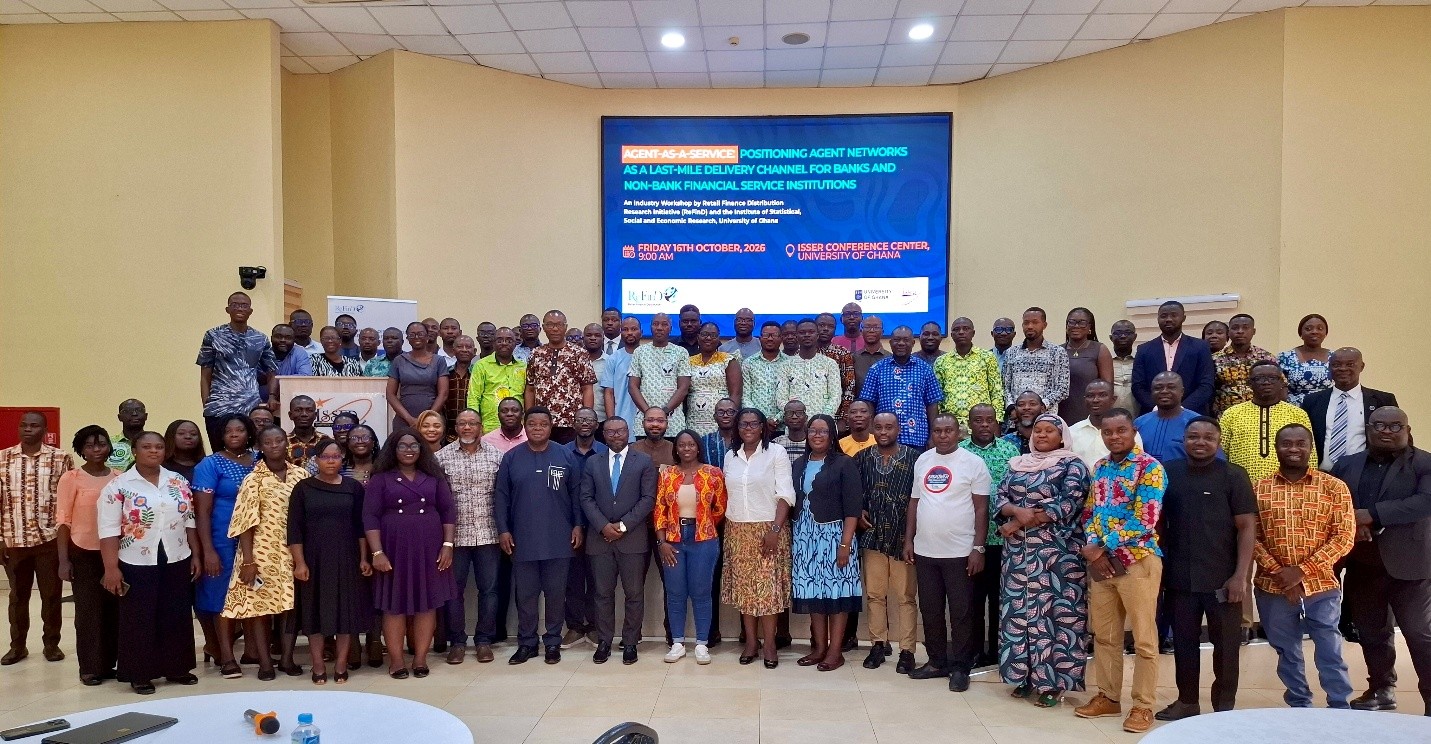
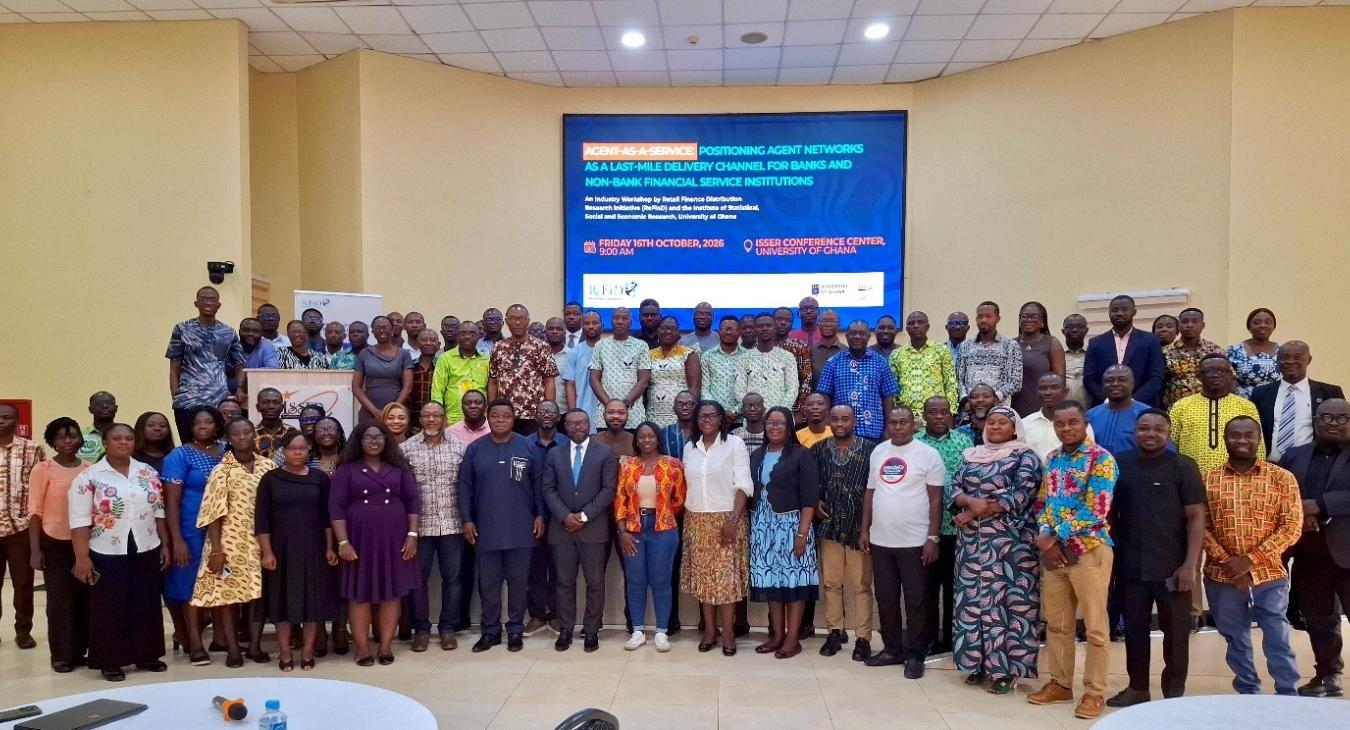
The Retail Finance Distribution Research Initiative (ReFinD) convened financial sector stakeholders to explore how Ghana’s extensive mobile money agent network can deliver a wider range of financial services, particularly to underserved communities. The workshop was themed “Agent-as-a-Service: Positioning Agent Networks as a Last-Mile Delivery Channel for Banks and Non-Bank Financial Service Providers”, and featured a keynote address by Mr. Clarence Blay, Director and Head of the Payment Systems Department at the Bank of Ghana, presentations of three ReFinD-funded studies, a panel discussion and a practical session to help participating institutions assess and strengthen their agent distribution strategies.
Beyond cash-in and cash-out
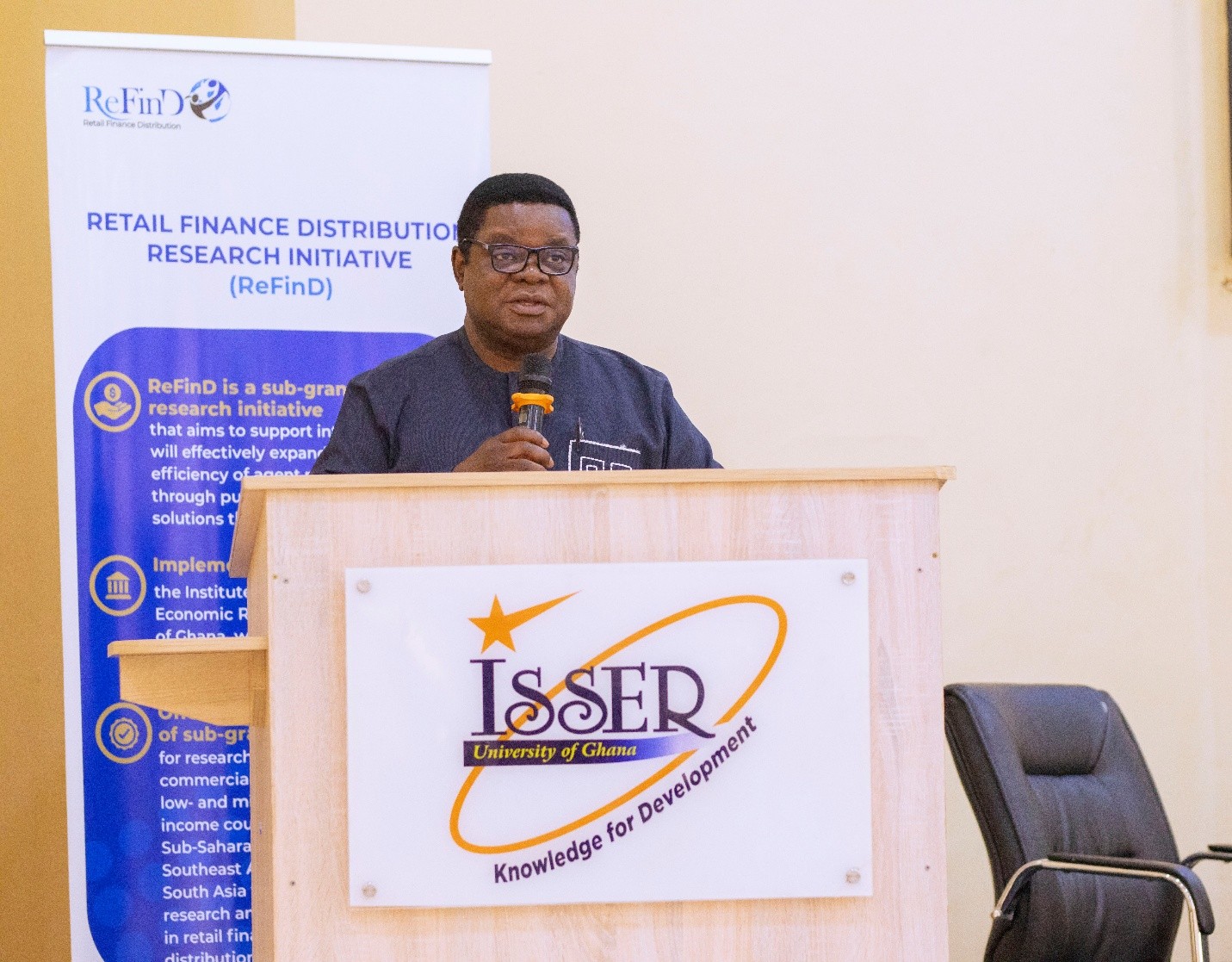
Opening the workshop, ReFinD Executive Director Prof. Peter Quartey highlighted the reach of Ghana’s agent network and the opportunity to maximise its potential. Citing the 2021 Demand Side Survey, he noted that 92% of urban adults and 76% of rural adults lived within 30 minutes of a mobile money agent, compared with 61% and 24%, respectively, for a bank branch.
“We already have an extensive agent network for delivering financial services to the last mile,” he said, challenging financial institutions to consider how agents could support services such as loan repayments and customer onboarding, reducing the need for costly branch expansion or long-distance travel by loan officers.
“Our message today is very simple. Let us move beyond cash-in and cash-out and position agent networks as a gateway to broader financial inclusion,” he said.
Bank of Ghana calls for stronger, more reliable networks
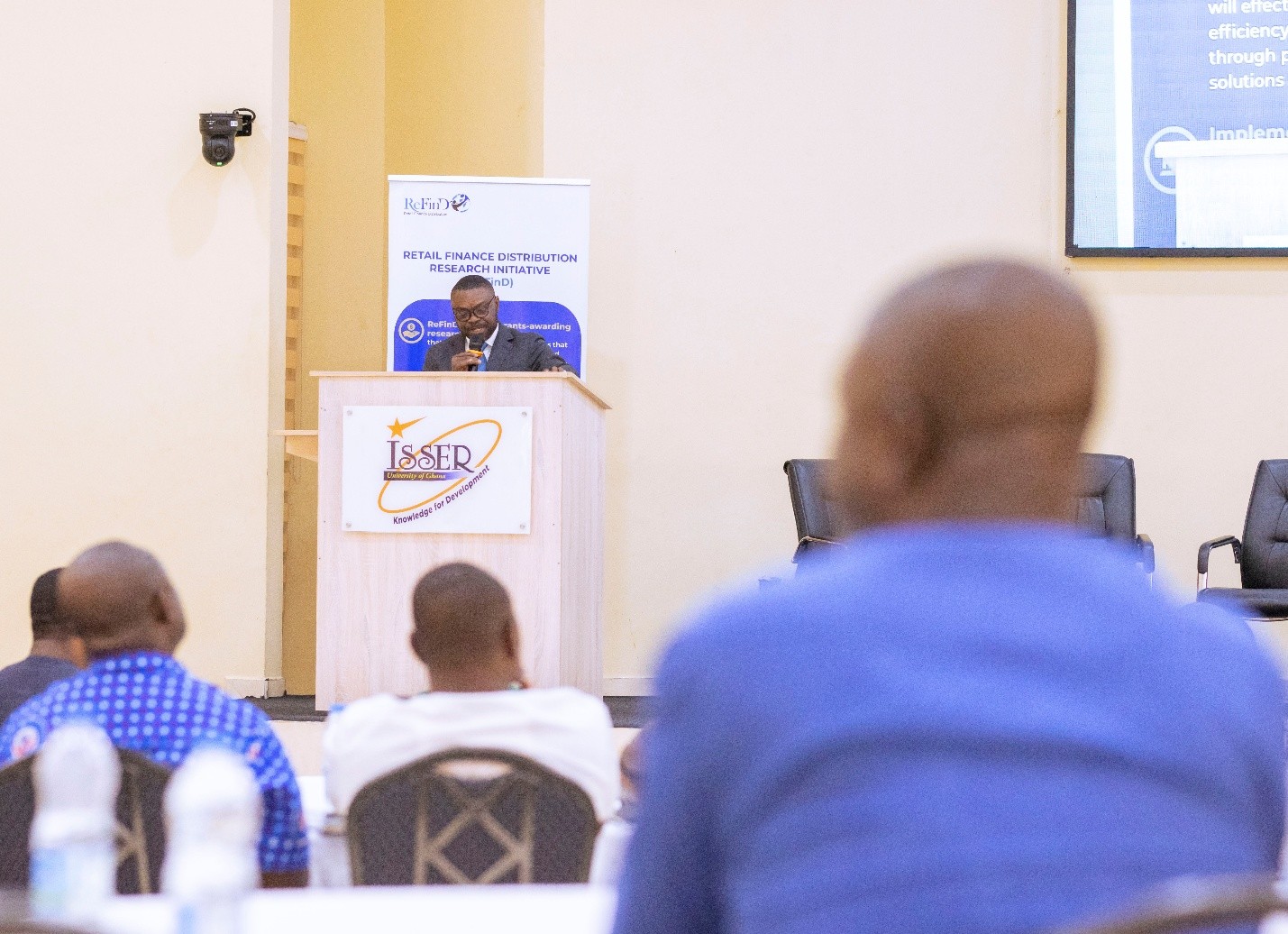
In his keynote address, Mr. Blay described Agent-as-a-Service as “a timely and important policy consideration”, citing Bank of Ghana figures indicating approximately 960,000 registered mobile money agents, of whom about 471,000 were active.
He cautioned, however, that network size alone does not guarantee effective service delivery. “The next phase of financial inclusion requires a shift in focus from merely increasing agent numbers to improving the quality, reliability and breadth of services delivered through existing agent networks,” he said.
He highlighted persistent challenges, including inadequate liquidity, connectivity problems and difficulties resolving customer complaints. Addressing these, he noted, would require stronger agent governance, effective customer protection, fair remuneration and greater interoperability among service providers.
Describing agents as increasingly important access points for financial services, Mr. Blay observed: “Agents have become the new bank branches.” He called for collaboration to ensure that these networks serve communities beyond major cities, concluding: “The next chapter of financial inclusion in Ghana will not be written in our cities alone. It will be written in markets, farming communities, border towns and villages.”
Putting research into practice
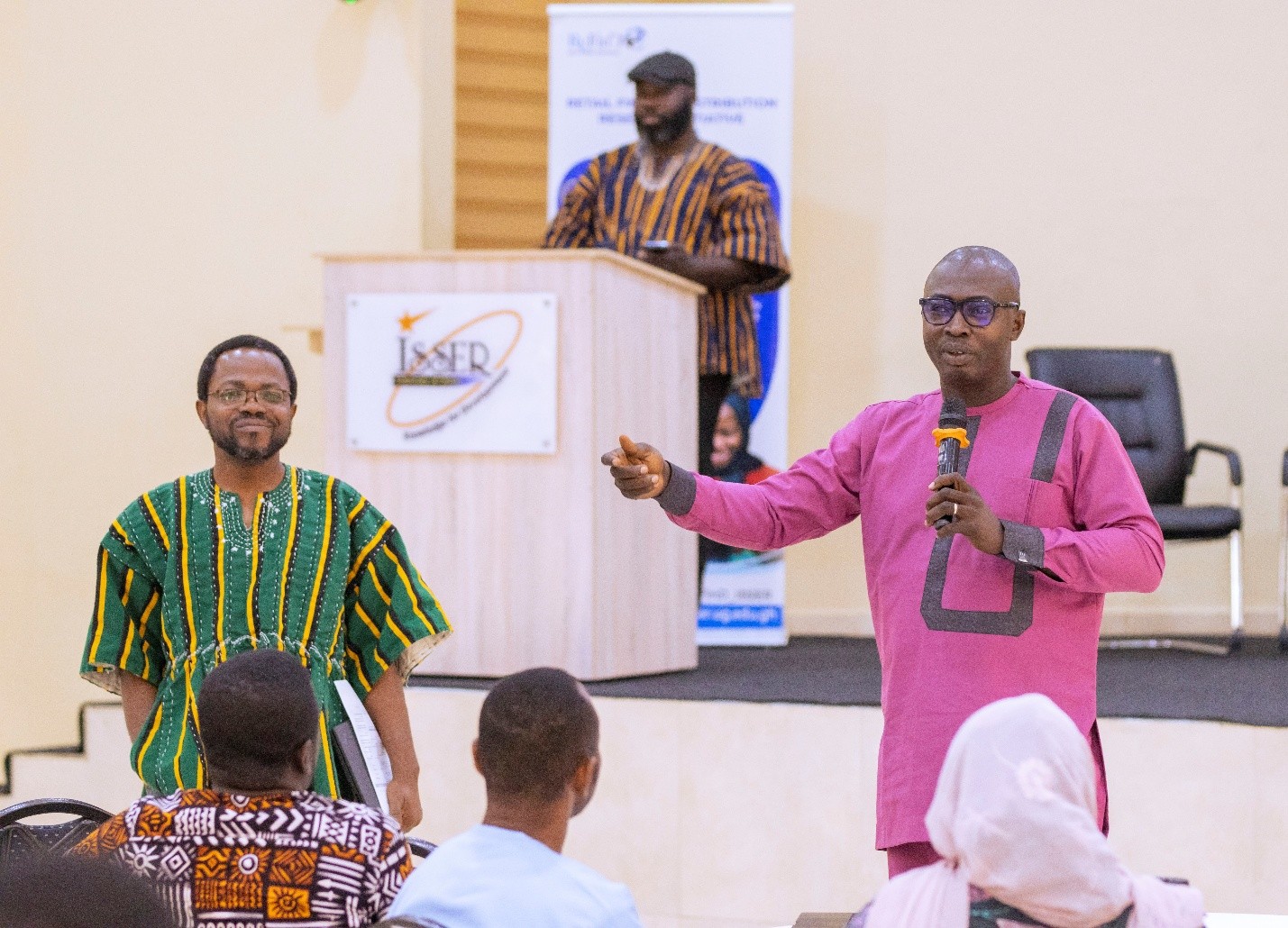
Three ReFinD-funded projects provided an evidence base for discussions on strengthening agent networks and expanding last-mile financial services. “Agents as Loan Repayment Channels: Findings from the Naara Rural Bank Pilot”, presented by Prof. Fred Dzanku and Dr Michael Kodom, examined the role of agents in loan repayments. Prof. Francis Annan presented “Rethinking Agent Compensation to Incentivise Agents”, exploring how compensation models can motivate agents. “Digital Tools and Last-Mile Agent Efficiency”, presented by Prof. Prince Boakye Frimpong, focused on the role of digital tools in improving agent efficiency.

The programme also featured a practitioner panel on implementing agent-based distribution models and a hands-on exercise facilitated by financial inclusion and last-mile distribution specialist, Hugo Pacheco. Using a diagnostic tool, participating institutions assessed whether to optimise existing agent networks, build their own or partner with established networks, and began developing prioritised action plans.

A commitment to connecting research, policy and industry practice
The workshop builds on ReFinD’s wider efforts to strengthen Ghana’s agent banking ecosystem by connecting research evidence with policy and industry practice.
Mr. Blay highlighted the contribution of ReFinD’s research on agent banking governance to the Bank of Ghana’s development of agency banking guidelines for banks and specialised deposit-taking institutions. Findings from ReFinD’s multi-stakeholder roundtable were presented during the Bank’s stakeholder engagement in August 2026, helping to inform the consultation process. He described this collaboration as an example of how research and industry engagement can support improvements in financial service delivery.
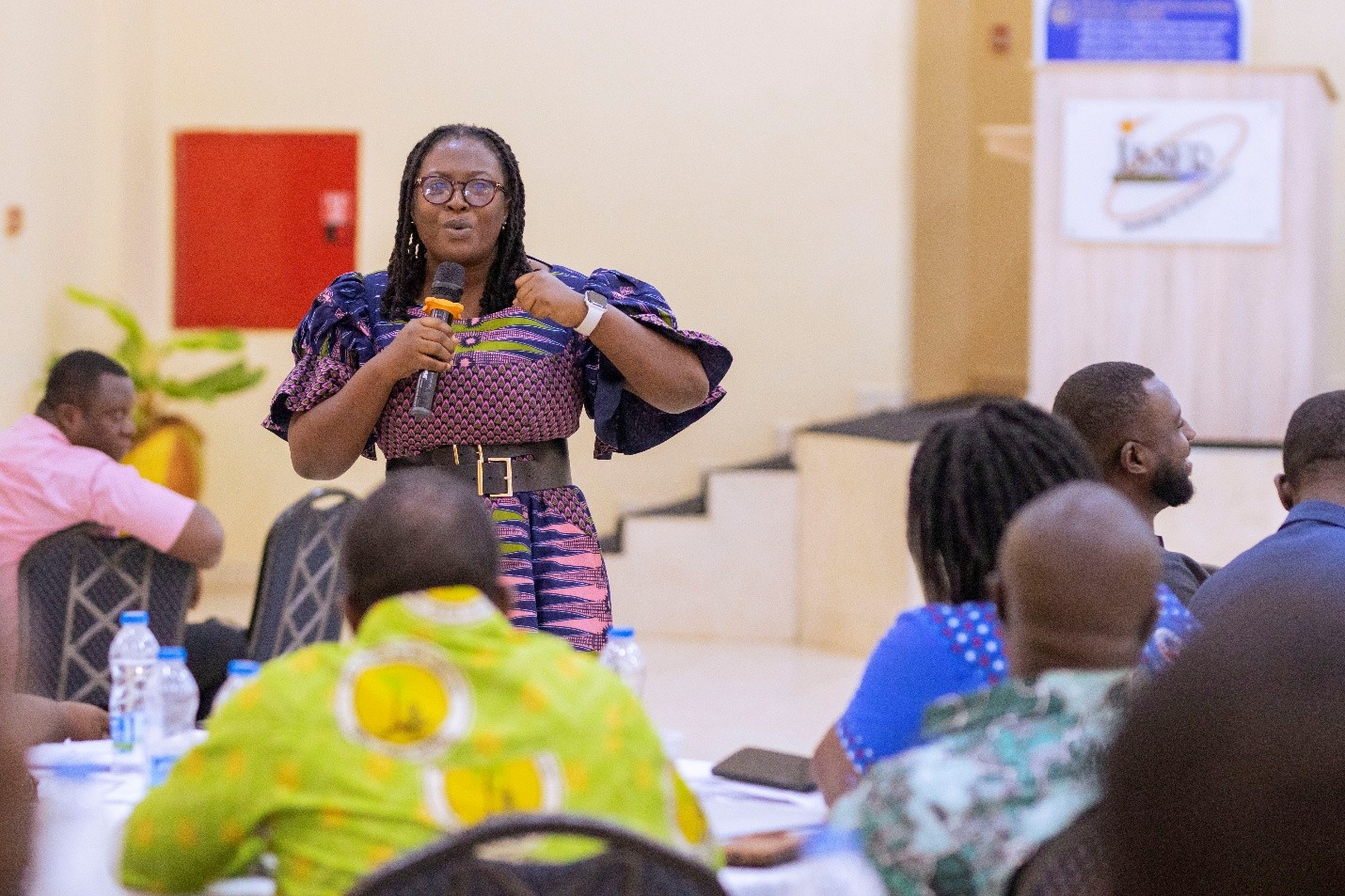
Prof. Quartey similarly emphasised the importance of translating evidence into action, noting, “Research must extend beyond academic publications. Evidence becomes valuable when financial institutions, policymakers and other stakeholders can use research findings to improve decisions and practices.”
The workshop, Agent-as-a-Service: Positioning Agent Networks as a Last-Mile Delivery Channel for Banks and Non-Bank Financial Service Providers”, was held on Friday, 16 October 2026, at the ISSER Conference Facility, University of Ghana. It brought together regulators, financial institutions, mobile money operators, researchers and industry practitioners to explore opportunities beyond conventional cash-in and cash-out transactions.